
Anxiety; Where fear takes over

Anxiety is a very broad term. There are many types of anxiety. Along with depression, it can be clinically classified as one of the primary mood disorders.
There is a normal, low level of anxiety that is essential to healthy living. For example, healthy anxiety before an exam helps us to prepare for it. Unhealthy anxiety before an exam could prevent us from doing any preparation, and we may even avoid the exam altogether.
For this blog, I am focusing on unhealthy clinical anxiety. This has been identified as:
“the negative anticipation of some potential threat that may, or may not, happen in the future”
For some, this anticipation can be very debilitating, even life-threatening.
Anxiety can be managed by short-term medication use and long-term psychological strategies. To understand how this is possible, we first need to develop a good working knowledge of what anxiety is and its causes.
Types of Anxiety
It is estimated that in Ireland, about 11% of people suffer with clinical anxiety at some stage in their lives. It is easier to see how common anxiety is when we consider the range of conditions that anxiety covers.
Generalised Anxiety Disorder
This is where the person may have periods of anxiousness around certain aspects of life that are not in themselves explainable.
Phobia
The various phobias are forms of anxiety. The phobia is thought to be a representation of a deeper fear.
Post-Traumatic Stress Disorder
Post-Traumatic Stress Disorder is an anxiety disorder caused by the re-experiencing of a previous very stressful event.
Obsessive Compulsive Disorder
Obsessive Compulsive Disorder is an anxiety-based behaviour. The person believes that if they don't continue doing their ritualistic behaviour, something extremely negative will happen to them.
Other types of anxiety disorders are panic attacks, separation anxiety, social anxiety disorder and paranoia. Psychosis can be experienced if the anxiety is severe and is continuous over a period of days or weeks.
What is Anxiety in everyday life?
I will approach this from the headings:
How we physically feel
Our emotional well-being
The preoccupation with our thoughts
Our beliefs about ourselves and the world around us
Our behaviour
Physical Symptoms of Anxiety
When experiencing extreme stress, the heart pumps faster to bring vital supplies to the body to react quickly. This makes the person feel palpitations in their chest.
The person's breathing will become irregular. In acute anxiety, short, shallow breaths are common. This could result in fainting as there is not enough oxygen getting to the brain.
The digestive system may slow down, resulting in constipation or cramps, or the opposite, you may develop diarrhoea. Butterflies in the stomach are classic symptoms.
A very common physical symptom of anxiety is sweating as our body temperature rises and the body secretes various hormones and proteins.
Hormones are produced in the body to enable the body to successfully respond to immediate stress. Noradrenaline and adrenaline are the hormones that give the body the almost instant ability to respond to acute anxiety. This is the fight or flight response.
They also help the brain release more serotonin, a neurotransmitter.
Emotional Symptoms of Anxiety
Anxiety causes the person to feel irritable, nervous or on edge. They become very negative, expecting the worst from the area they are anxious about.
This may cause tearfulness, which can lead to increased anxiety. Their self-esteem goes down as they lose hope in their ability to function well in society. Our relationships may deteriorate as paranoia sets in or we withdraw from those who may challenge us about being anxious.
Cognitive Symptoms of Anxiety
An anxious person will be very preoccupied, even obsessed with their anxiety. Due to a sense of lost control, they will try to overcompensate by regaining control in an allied area. A phobia of closed spaces could mean they try to work outside as much as possible.
False perceptions of the threat causing the anxiety are typical. The belief that acting anxiously will help is itself a false perception. The more serious the anxiety, the stronger the belief is in the false perceptions supporting the anxiety.
Beliefs about yourself associated with Anxiety
Anxious people have very negative beliefs about themselves. They believe they can not stop their anxiety. Even though they realise they alone can stop their anxiety. Realising these two facts can make them feel quite hopeless.
Spiritually, they see little value in faith in anything to get them through, apart from their own willpower or the support of trusted people, such as a very close friend or a counsellor.
Behavioural Symptoms of Anxiety
An anxious person will exhibit repetitive, obsessive behaviour as an attempt to soothe their anxiety. They may also practice avoidance of what makes them anxious.
It is possible that this avoidance behaviour could become an obsession in its own right. Involving very exaggerated strategies to avoid all contact with anything that could represent the subject of the anxiety.
Causes of Anxiety
Nobody develops a full-blown panic attack overnight.
Anxiety grows slowly in a person’s personality. Anxiety starts with a seed of doubt, a paranoid thought, a fright. When this seed is combined with physical, psychological and social pre-existing vulnerabilities, anxiety disorder can result.
So what are these pre-existing vulnerabilities?
Earlier, I stated that extra serotonin is released in the brain in response to anxiety. People with low levels of serotonin or who don't absorb serotonin are more prone to mood disorders such as depression and anxiety.
It has been said that personality types are partially genetically inherited. Personality types that are more laid back and not goal-directed are less likely to develop anxiety disorders. Whereas goal-driven, highly alert people are.
For many, anxiety represents a loss of control. Our degree of control is a perceived reality. If we perceive we are losing control over a situation, it is because it looks like the threat is stronger than our ability to control it. This lack of control could be learned from our reactions to stressors in childhood.
Over time, patterns of thought arise around the stressors and negative automatic presumptions are made that lead to ongoing anxiety. This anxiety distorts our appraisal of the stressor and, therefore, cognitive distortions set in. Primarily, we underestimate our ability to cope with the reality of the stressful result. Also, we overestimate the threat posed by the initial stressor.
Some anxious reactions are likely learned from the environment. Especially the childhood environment.
If, as children, we experience abuse from authority figures, we often respond to this in a very anxious manner. We may continue to express this anxiety whenever strong authority figures are present in our later life.
We could experience anxiousness due to role models in our past. They may have told us or demonstrated to us that anxiety is a correct response to a stressor, eg heights. In other words, we can pick up anxious behaviour from others.
A lot of our anxiety today is really a transference of our anxiety from the past.
Is Anxiety cured or managed?
As we understand the word cure from a medical viewpoint, no. Anxiety can not be cured.
So what do we do?
Is there hope?
Yes, there is hope.
We can learn to overcome anxiety in the present just as we learned to be anxious in the past.
Whether medically, psychologically, or more likely a combination of both, there are opportunities to live a life where anxiety has been minimised and is now manageable.
In my professional experience, clients with anxiety want to go straight to learning coping mechanisms. These are valuable, but generally are the last intervention in working with an anxious person.
Medical Interventions for Anxiety
It is generally believed that on their own, medications only work for the duration of the time during which they are taken. Antidepressants are used because they help the brain absorb more serotonin. Anxiolytics such as Valium are given only briefly due to their highly addictive nature. By quickly producing more gamma aminobutyric acid, they help to slow down the brain function and so lessen anxiety.
Medical intervention for anxiety is generally a support for the psychological work to be one.
Psychological Approaches for Anxiety
Firstly, the counsellor and client together identify what the underlying issues are. Awareness of underlying problems is key to resolving most psychological issues. The foundations of anxiety can be eroded by logical questioning.
Question underlying beliefs
The person questions whether their initial reactions to the initial stressor were appropriate.
Did others involved behave in an unhelpful manner? To what degree is the person responsible for their behaviours? The main area of responsibility is the person's own reactions to the stressor. We need to relearn positive reactions that do not lead to anxiety.
Learning to react more constructively to anxiety-inducing events has to be done in the present. The counsellor identifies with the client and understands how the old assumptions and behaviours from the past are no longer entitled to control his emotional reactions in the present.
Collaborative Goal Setting
Once that vital principle is established, the client and counsellor work together to identify the specific symptoms the client wants to work on.
They then both devise situation-specific strategies for weakening the effect of each of the symptoms. This strategy is then practised in the client’s real world and refined in the session till it is deemed by the client to be no longer problematic.
The client needs to practice vigilance in recognising if symptoms of anxiety return. If so, it is simply a matter of refining the coping strategies to adjust to any new situations.
Another important function of the counsellor is his/her role to believe the client can achieve a resolution even when the client can't see it.
Creating a positive role model
The counsellor role models a new way of reacting for the client to learn from and make their own.
Believing in the client when they are failing to believe in themselves is one of the greatest gifts a counsellor can ever give a client. It is a gift of faith.
Learn More About Counselling at Prevail
James Foley is an accredited counselling therapist with The Irish Association of Counsellors and Psychotherapists.
He has worked in counselling since 2015, and full-time since 2021.
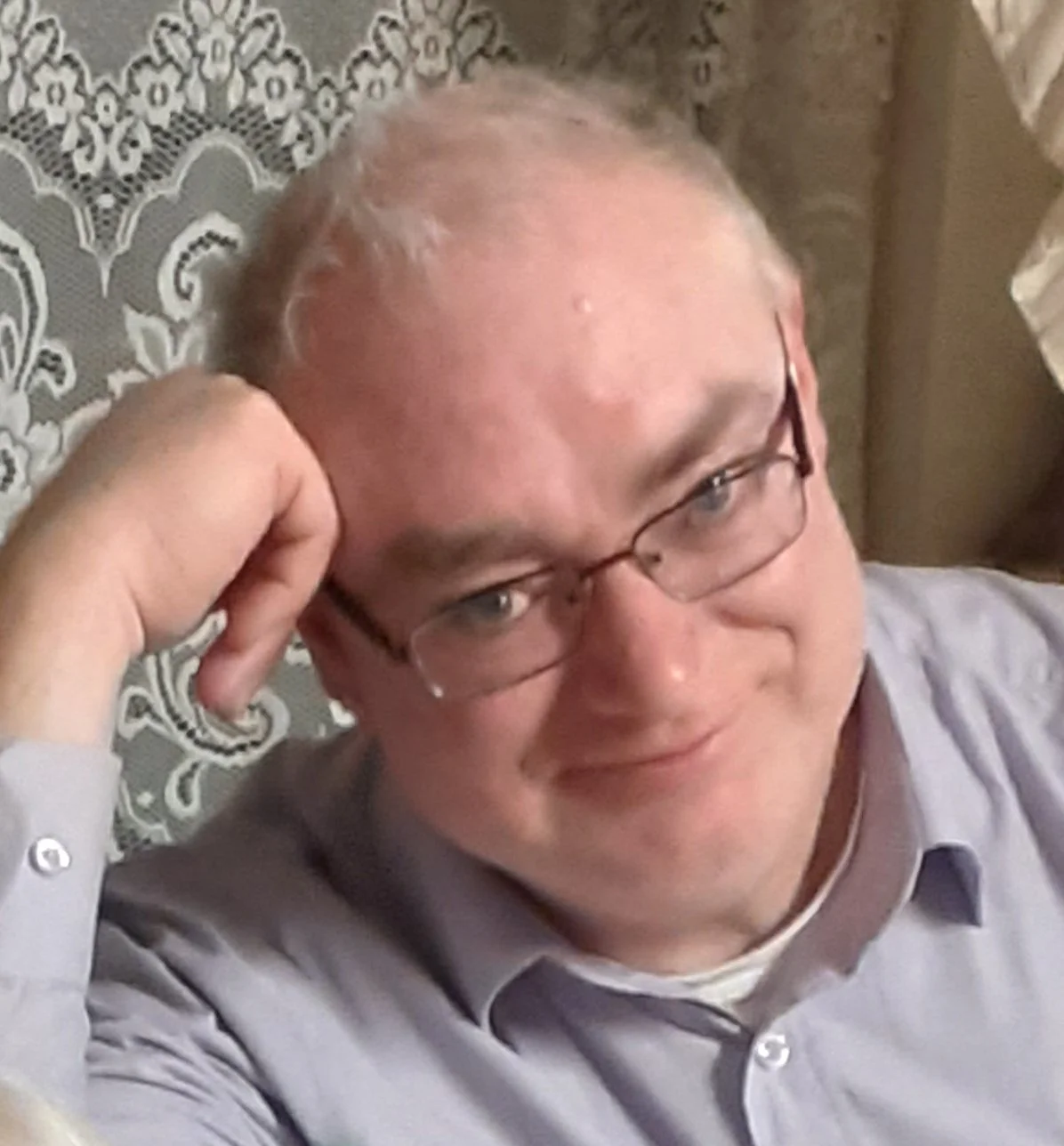
He worked as a psychiatric nurse from 1998 to 2021, in various capacities. This included 12 years in an HSE residential detox centre.
He has a BSc in Nursing, a Diploma in Counselling and Psychotherapy and various courses at Masters' level. His Masters' level training includes Cognitive Behavioural Therapy.
Contacting James for further support
If you would like more information about how my work with Prevail could help you, please visit the website at www.prevailcounsellingtherapy.ie .
To discuss how I can help you more thoroughly, you can arrange an appointment for over the phone, by video or in person by clicking here: Initial Appointment .
PHONE
085 857 1193
james@pct.ie
ADDRESS
123 St. John's Wood West
Commons, Clondalkin
D22 RC93
Prevail Counselling Therapy
© 2025 All Rights Reserved