

My approach to coping skills for emotional pain
Working with thoughts, emotions, behaviours and sensations of the body (TEBS) is the approach I use in therapy. The client is encouraged to identify how thoughts drive our emotions and physical sensations.
Reducing or learning to live with our emotional stress is done by practising alternative, positive thoughts. These thoughts have to be supported by associated behaviours.

Who's in charge of you, You?
My third cancer blog and the last one I wrote while still an inpatient. I may have had two cycles of chemo left.
By this stage, I was drained of anger. I still had my days, but it was getting me nowhere. I was pushing myself to choose to accept the situation, but to keep the hope alive of future reunions and restarts.
This blog focused on the effect of the loss of personal autonomy and knowing I was not in control.
I questioned whether we are ever really in control of our lives.

Anxiety; Where fear takes over
Anxiety is one of the most common topics raised in therapy. It is a debilitating condition that prevents a person from engaging with life.
It is closely associated with depression and often co-exists.
There is a strong medical connection with anxiety; medication is often the first stage of treatment.
Medication, however, can become a near-permanent part of persons ’s life. Many people do not want this and will prefer to resolve their anxiety through psychological work.
Such work identifies the triggers and helps to develop coping mechanisms to lessen their impact.

Trauma in Life
Trauma is the emotional experience of hurtful events in our past. We can respond to trauma over the years by trying to ignore it or even forgetting about it. This is a common response to trauma that happened to us as children.
Burial of pain can result in the person experiencing unexplainable, negative, cognitive, emotional and behavioural experiences in later years. Trauma from earlier in life can be healed in the present day through the work of a therapeutic relationship with a counsellor.
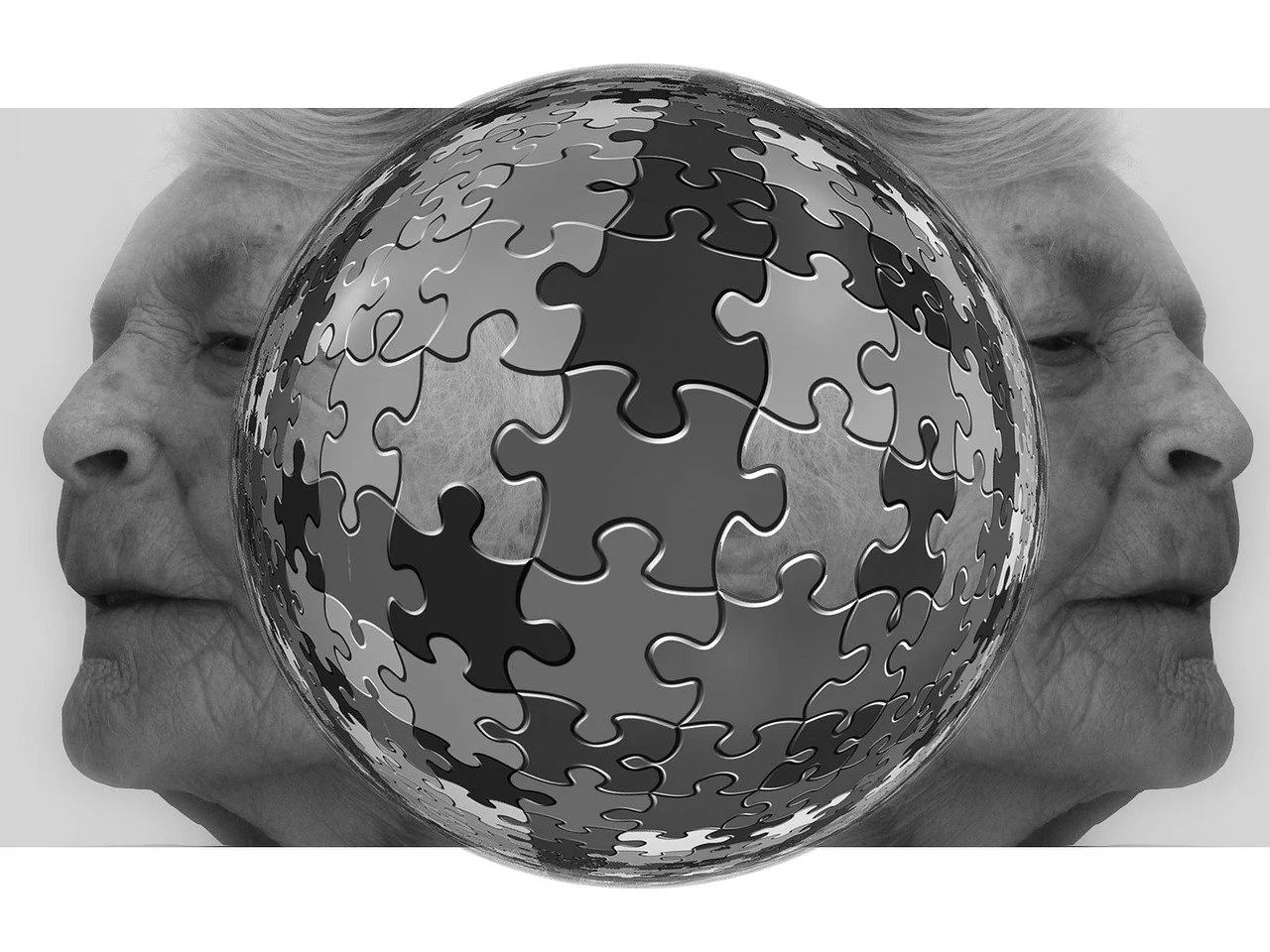
Cognitive Behavioural Therapy
CBT is a combination of two psychological theories. Cognitive and Behavioural theories. CBT proposes that emotional change happens by changing the underlying thoughts that support them.
To effectively change our thoughts, we utilise the behaviours that correlate with them.
This approach can be a trial and error, and is greatly helped by having a good understanding of your underlying beliefs that caused the thought to start with.

Self-discovery in a hiding tree
A tree near me reveals its secret every winter. The secret being that, despite being on a small roundabout in a busy road, it is the home of several nests.
My perception of this being odd indicates that I have a limited mindset of what is appropriate or expected behaviour. Surely the birds would use the hundreds of trees in the park on the other side of the road.
If I limit the behaviour of birds in this way, how do I limit my own?