

Journalling: Being your own Therapist
Keeping a diary- could it be for you?
People generally believe writing a diary is a good thing to do, but struggle to do it.
The reasons for this are generally a perception that it’s not for them, and that it’s hard to get going with it.
Some simply believe they don’t know what to write in a diary.
In this blog, I respond to these objections. I provide advice on how people who are not used to journaling can get started.
Counselling for the Thorns in Life
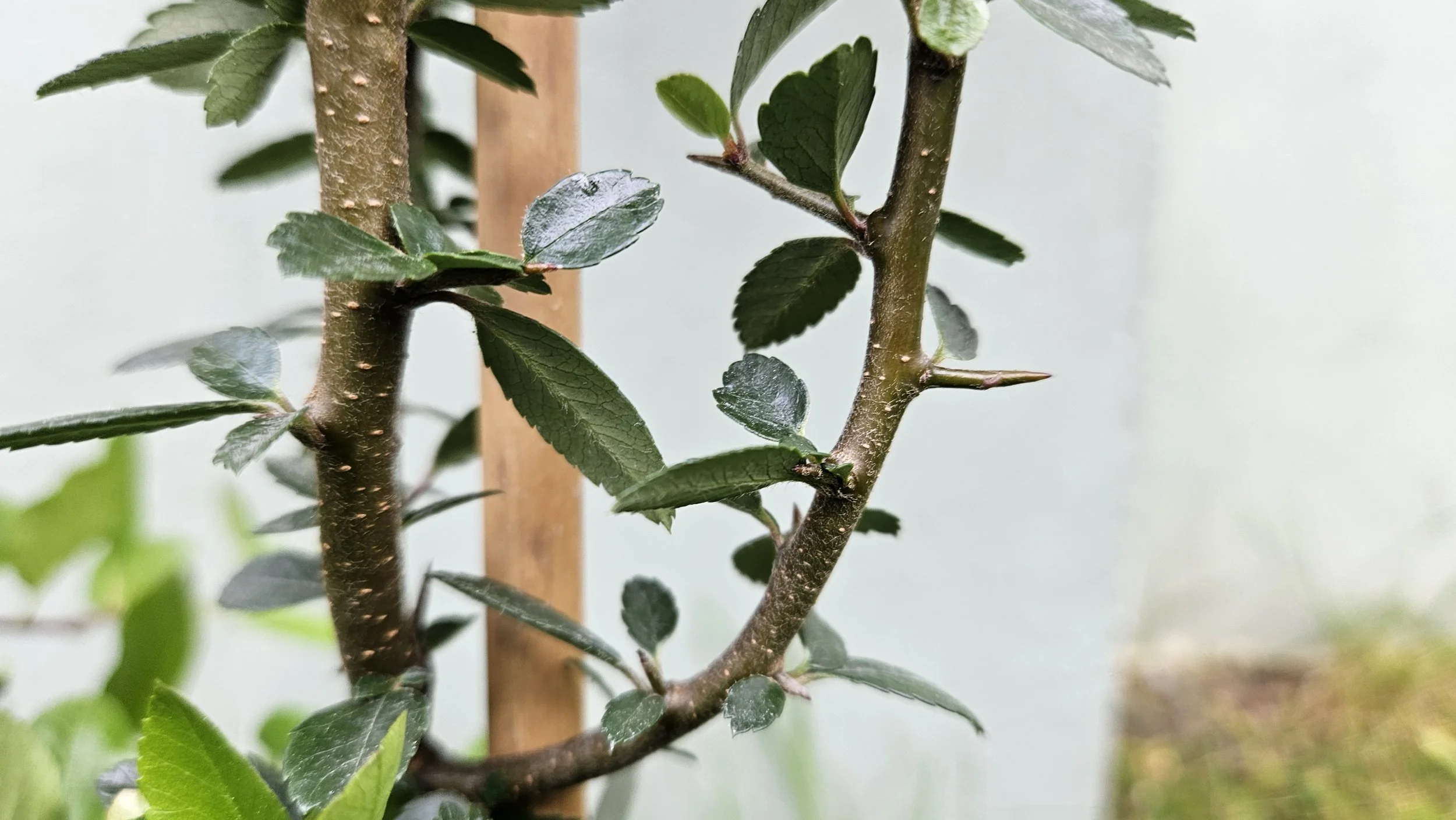
This is the story of a Scarlet Firethorn bush.
Why write such a story?
It is a memorial plant for me of a life story.
A story that I want to remember.
A story that teaches me how dreams don’t always work out.
A story that I need to live by the life lessons it represents.
The shrub is also a tool for showing clients that beauty and pain are often intermixed. The Firtehorn has long, sharp thorns,
It will remind me to handle clients gently. Their pain may not be visible under the display of the nice life they show to the world.

The Grief of a Broken Dream
A dream for our life is a good thing.
Striving to achieve personal satisfaction and accomplishment motivates us from childhood to our old age.
But what do we do when a dream falls apart and is impossible to put back together again?
Accepting the grand plan is over is the first step in starting over again.
Living with this grief for a while is important for allowing time to heal.
For a new purpose and hope, the old life of failed ambition must be put to death,
This blog outlines how to know that a dream has become a nightmare.
Suggestions are given to promote quiet, self-paced healing. How do we know when this has been achieved?
Finally, how are you to kill off the old self and start to rebuild a new you?

Ireland: Don’t you just love it?
A discussion on what it means to be Irish in modern Ireland.
Yes, it is not as straightforward as it once was. For me, being Irish refers to what we share in common. Our sense of place and experience of living here, along with our cultural heritage, I believe, is what defines us.
The fact that there is so much contention about what it means to be Irish now is a typically Irish thing.
Is disagreeing perhaps what we do best?
It is good to like being Irish when we are Irish.

Now, what else is there?
What we hope for the future may or may not happen.
What we place our hope in now in the present, and building upon that is the hope that matters.
Don’t wishfully just hope that someday it will all be alright.
Use today to build a better tomorrow.
Money: The yes you can attitude
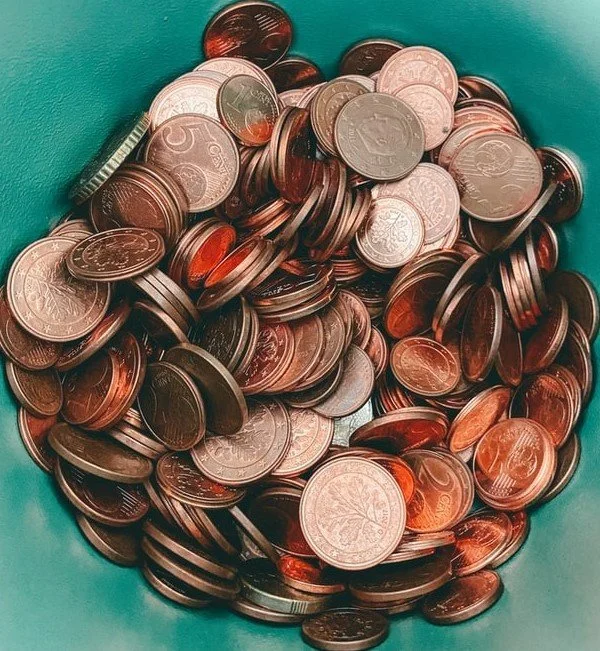
Managing money is a key life skill.
Let’s be honest, we do need a degree of financial security.
We can have issues with being controlled by or overspending money. Money mismanagement has negative effects on relationships/marriages. It is a key skill in learning responsibility.

Winning Gold in life's Olympics
Can we achieve greatness in the ordinary? Yes. Sometimes just getting through the mundane can be a great achievement in its own right. Do you believe this? Does it sound like pop psychology?
Whatever you may think about it I encourage you to take on the great adventure of going for gold in your own life story.

Happy Anniversary?
Should we mark, let alone celebrate, a negative anniversary?
If so, how?
It is a matter of personal choice how a person should remember an anniversary. It can be a celebration of thankfulness for survival.
It can be a time to take stock and allow yourself to be reconciled with what you may have lost, but also to be grateful for what you have, the increased significance it has for you.

Supporting the fragile
How do we support our loved ones when their mood is low and their behaviour is very negative? We should not be afraid to engage with them and just sit with them in their space.
We do not have to cheer them up or help solve their problems. If they want company, they mostly just want you to be there.
This may be enough for them to share with you what pain they are dealing with and start to heal.
Eating disorders and food control
Eating disorders are one of the hardest conditions to treat. The person involved has many layers of hurt, and the control of food becomes their seemingly only way to cope with emotional pain.
Unfortunately, the associated behaviours are often very manipulative and destructive on the person themselves and those close to them.
When occurring in a family context, family therapy is often the main therapeutic approach, with individual support as needed.
This blog covers the main types of eating disorders. The cognitive, behavioural and emotional impacts are also discussed.

Anxiety; Where fear takes over
Anxiety is one of the most common topics raised in therapy. It is a debilitating condition that prevents a person from engaging with life.
It is closely associated with depression and often co-exists.
There is a strong medical connection with anxiety; medication is often the first stage of treatment.
Medication, however, can become a near-permanent part of persons ’s life. Many people do not want this and will prefer to resolve their anxiety through psychological work.
Such work identifies the triggers and helps to develop coping mechanisms to lessen their impact.

Waiting; An opportunity or a frustration?
Waiting can be an opportunity to satisfy the calm mind or a frustration by stopping the body from running the race.
How you view waiting depends on the patience of your personality.
If you are impatient by nature, having to wait is an invitation to learn to use the time in a way that satisfies your desire to be productive in an active way.
If you are patient by nature, waiting allows you to recharge and let your mind ponder more interesting things.