

Prevail Counselling Therapy
For a Renewed Mind leading to a Transformed Life
An in-person counselling service for Clondalkin and Dublin South West
Available everywhere online
Hello and welcome to Prevail Counselling Therapy
Prevail is an in-person counselling service for Clondalkin, Dublin South West. Also available in-person in Bray, Co. Wicklow.
Online and phone sessions are available for all other areas.
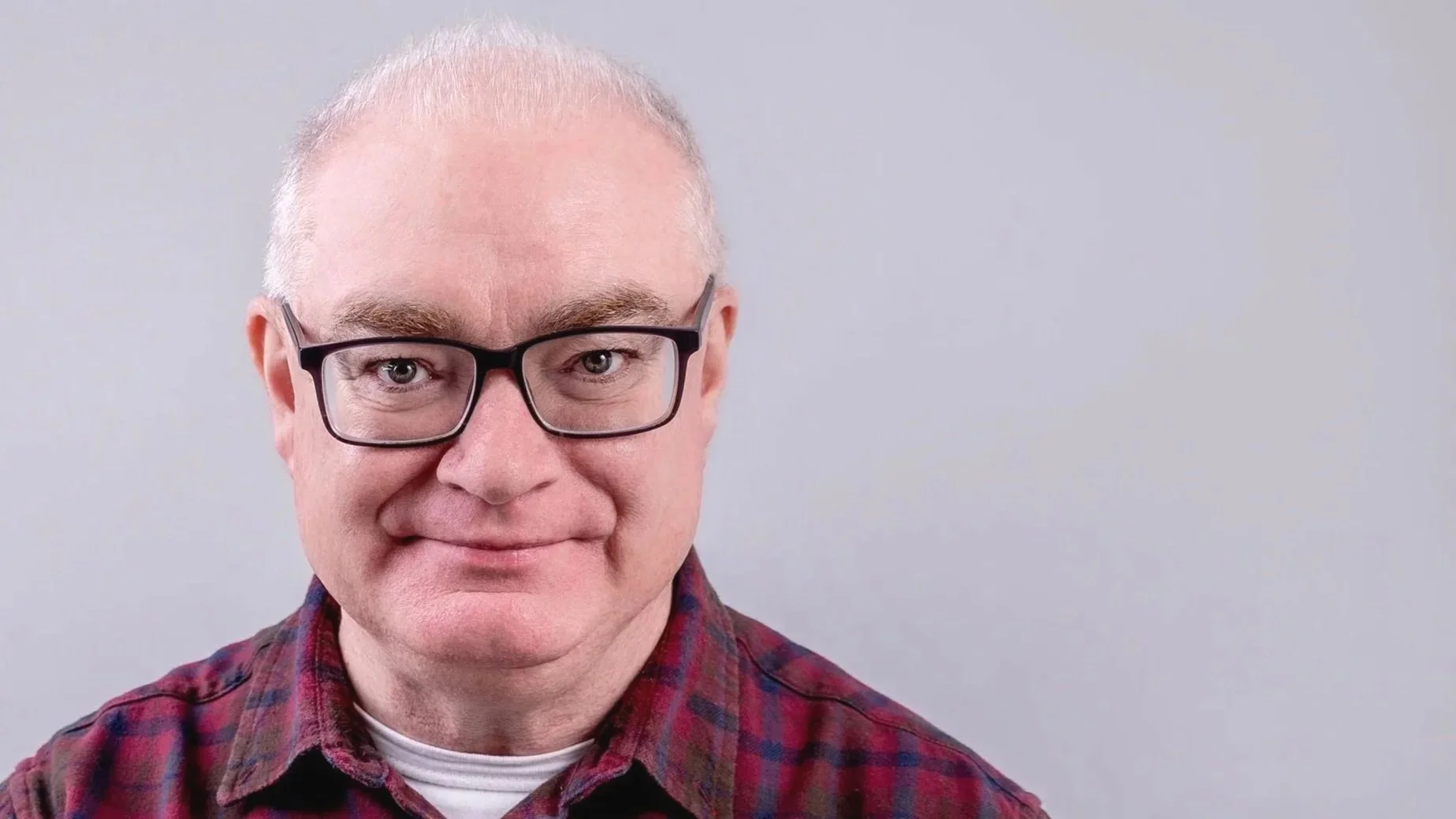
Prevail is managed by me, James Foley, and I provide the counselling service of Prevail. As a former psychiatric nurse for over 20 years and now counselling since 2018, I have extensive experience with mental ill-health diagnoses. I worked in addictions for 12 years and pieta suicide relted therapy for over 2 years.
I provide a structured approach while still facilitating the client to decide their own pace and content to work with.
I aim to work with you to restore your resilience for living in your present circumstances.
Let me personally welcome you to Prevail Counselling Therapy, where I aim to help you transform your life through a renewed mind.
What is Counselling Therapy?
Counselling is a professional therapeutic relationship.
It is a private, safe space for people to seek help from a professional trained in psychological care.
A counsellor will help you find the tools for you to work with to improve your self-awareness so you can resolve your own issues.
Ultimately, counselling helps you to know what you can hope for, build towards, and believe in for your future.
At Prevail, I endeavour to walk that road with you.
What is on your mind
Is Counselling for Me?
Many people struggle with the decision, “Do I need counselling? …. What will counselling do for me?”…..
Following are some considerations regarding the choice to have counselling.





Services Provided by Prevail Counselling Therapy
Addiction Therapy
With Prevail, addiction is defined by the degree of dependence the client has on a behaviour they find destructive.
I will work with clients who want to reduce their dependency.
I find, ultimately, the client has to commit themselves to being truly addiction-free.
.I encourage clients with addiction issues to seek support apart from the one hour a week they get with me.

Bereavement and Loss Counselling
Bereavement counselling may take more time than other counselling. The more tragic and the deeper the relationship is that the client has with the deceased, the more complicated this process is.
Prevail’s approach is to support and walk the road with the client as they go through the stages and tasks of grief.
Bereavement can also refer to loss in a relationship, a job, children moving away, grieving pets, etc.

Suicide Prevention
Prevail works with two client groups regarding suicide prevention.
The actively suicidal person and the people who care for them.
For the person contemplating suicide, I validate their reasons for being suicidal and try to put a suicide prevention plan in place.
I encourage them to identify the positive factors that have given them a reason to live so far.
For the loved ones of suicidal people, I listen to their fears and explore how to provide life-saving support.

Anger Management
Anger management is an increasing need due to modern life pressures.
It seems that modern life has expectations of what we should be able to do, how long it should take, and standards that we should attain.
Prevail does not consider anger wrong in itself. Anger can motivate you to do the right thing in a bad situation.
Anger becomes problematic when it transfers into aggression or rage.

Therapy for Negativity
Prevail primarily works from the principle that negative thoughts produce negative emotions, behaviours and sensations in our body.
Negative thoughts do not usually require medical intervention unless there is a strong negative emotional reaction.
Grounding the person without aggressively challenging them is a key approach.
For long-term symptom reduction,
Prevail helps the client identify triggers to their behaviour and develop coping skills.

Anxiety and Depression Therapy
A client can experience both anxiety and depression.
Depression is mostly associated with sadness and feeling unmotivated in life.
Anxiety is more so when a person is physically or mentally agitated and can not settle to complete tasks.
These mood disorders generally come from two sources.
Lived experience and the client’s brain chemistry.

Self-Esteem Counselling
The lower we value ourselves and others, the less we believe we can manage stress in our lives.
Our thoughts and emotions exaggerate our inabilities and past failures. Our abilities and past successes are, for the most part, ignored and forgotten.
My work in Prevail aims to gently challenge the false self-beliefs clients hold about themselves and how they relate to others..

What is Prevail, and How does it Work?
Who is
James
Foley?

What Prevail Values
What to Expect

Prevail has a cancellation
Policy
Any other Questions about Prevail
Approaches to Counselling at Prevail Counselling Therapy
Approaches to counselling refer to the style or clinical model of counselling that is used.
Prevail holds a casual view on this. In any given session, many different clinical approaches are used. The priority is that the best approach is being used for the client at the appropriate time.
The client’s moods and needs differ over the course of the session. Therefore, it is right to adjust the therapeutic approach I use.
The approaches outlined below are a selection of the approaches I use. I primarily work from the belief that our thoughts are what dictate our emotions and behaviours.
Please do use the links if you want more information on each approach.

Choice Theory (CT)
CT emphasises that problems are the product of our choices. CT encourages developing personal accountability for our unhelpful choices and to start making positive choices. Positive choices result in positive relationships and the achievement of our basic needs.
I use choice theory when a client requires a direct style of intervention.
Cognitive Behavioural Therapy
(CBT)
CBT focuses on the thoughts that have brought about the problems the client is experiencing.
The belief is that our thoughts predetermine our emotions and behaviours.
Practising alternative thoughts through supportive behaviours is a key part of CBT work.
A lot of the material I use is CBT-based.

Person Centred Therapy
(PCT)
PCT is the primary means of interaction used in counselling. PCT means that the client is the expert of the session.
Through active listening, the therapist reflects with the client on the content and meaning of what they discuss in the session.
This enables the client to resolve their issues using their resources.
PCT is the primary way I relate to clients in session work.
Solution Focused Therapy
(SFT)
SFT centres on the solutions to problems. The counselling discussion is not an investigation of the problem but a process of identifying solutions.
Coping strategies are identified, applied through practice outside of the session and reviewed in session afterwards.
SFT is best suited to short-term counselling.
Information on Fees and Booking with Prevail
Below is the booking form for booking sessions directly through the online Prevail Booking system.
You do not have to use this system. You can contact me directly if you want.
The links for the different types of sessions do show my availability, which maybe helpfu.
Please do check this link for more information on fees, and especially how to reduce them.
Blogs at Prevail
Click below for the most recent blogs at Prevail.
Blogs at Prevail discuss how counselling works, the various issues that James Works with in Prevail and reflections on therapeutic needs in society. Click below for the full menu of blogs.



Do you want to change?
Most people want to change something about their life.
It is my belief that if you want genuine, lasting change, you have to change the core beliefs you have about yourself and the world you live in.
Changing the content and pattern of your thoughts is how you change how you feel, behave, relate and feel physically..
This blog goes through numerous suggestions of how to improve your thoughts. Not all of them will suit you.
You only need one.