

Struggling with bereavment by suicide
This blog looks at the experience of losing a loved one to suicide. What are you to expect from such a loss?
How can you look after yourself in the immediate and long-term experience of the loss? How to develop hope for your future while still having sadness for the person you have lost?

When Humanity goes Ape
Has humanity evolved from being the hero to becoming the villain in recent years? In my view, the Planet of the Apes films reflect that it is now appropriate to say they have.
Has our perception of ourselves as a race become more muddied and negative over the decades? If so, Apes films still present a view of humanity that is hopeful.

Words to the broken hearted
Positive quotes about our ability to overcome adversity.
While such quotes can seem overly simplistic, they can still spur us on to better things.

Supporting the fragile
How do we support our loved ones when their mood is low and their behaviour is very negative? We should not be afraid to engage with them and just sit with them in their space.
We do not have to cheer them up or help solve their problems. If they want company, they mostly just want you to be there.
This may be enough for them to share with you what pain they are dealing with and start to heal.
Managing a suicidal emergency
If you walk into what seems to be a suicide attempt, the first thing to manage is your own shock. Positive, active, immediate interventions are essential.
Get medical support if needed. Assess the degree of suicidality and maintain a safe area possible.
Don’t be afraid to ask direct questions and stay with the client until their risk has decreased or they are with someone else safe. Occupy the person and try to remove them from the location you found them in.
Suicide: Can Counselling help?
How therapy can help a suicidal person. First assessment of risk. Help the client identify reasons to live.
Developing long-term skills in wanting to stay alive. Four therapeutic approaches that may be used are highlighted.

Dying to survive: Facts about suicide in Ireland
The reality of suicide has touched all of us in some way.
The statistics of suicide are bleak.
Whether it is younger or older people, male or female, the reasons for suicide are individual to each person’s story.
Common to most stories are the realities of isolation and hopelessness.
Perhaps this is because by the time a person comes to the point of suicide, they have stopped properly engaging with people and have lost hope that there is any solution apart from death.
Thankfully, there are numerous emergency services available via the phone to meet these people in their time and place of need.

Eating disorders and food control
Eating disorders are one of the hardest conditions to treat. The person involved has many layers of hurt, and the control of food becomes their seemingly only way to cope with emotional pain.
Unfortunately, the associated behaviours are often very manipulative and destructive on the person themselves and those close to them.
When occurring in a family context, family therapy is often the main therapeutic approach, with individual support as needed.
This blog covers the main types of eating disorders. The cognitive, behavioural and emotional impacts are also discussed.

Failure - The fear around every corner
The fear of failure is one of the greatest draws holding a man back in life. The fear of failing at risky things like a new job or at passing exams, etc., is perfectly normal.
The problem is when you begin to identify yourself as a failure at life just because you have had failures in your life.
This self-identifying yourself as a failure is devastating. It destroys your confidence in social situations, professionally, and in your role in your family. Simply put, you don’t want others to know about your failures,s and you hide.
The way to shake off the failure mantra is to teach yourself, first and foremost, that failing is normal. Everyone fails.
Repeat to yourself “I am not afailure, just because somethings in my life failed”.
Eventually, you will then be able to develop ways to manage failure as it happens and to learn from it so as to decrease its risk of recurrence.
And this is how I got my life back after Cancer?
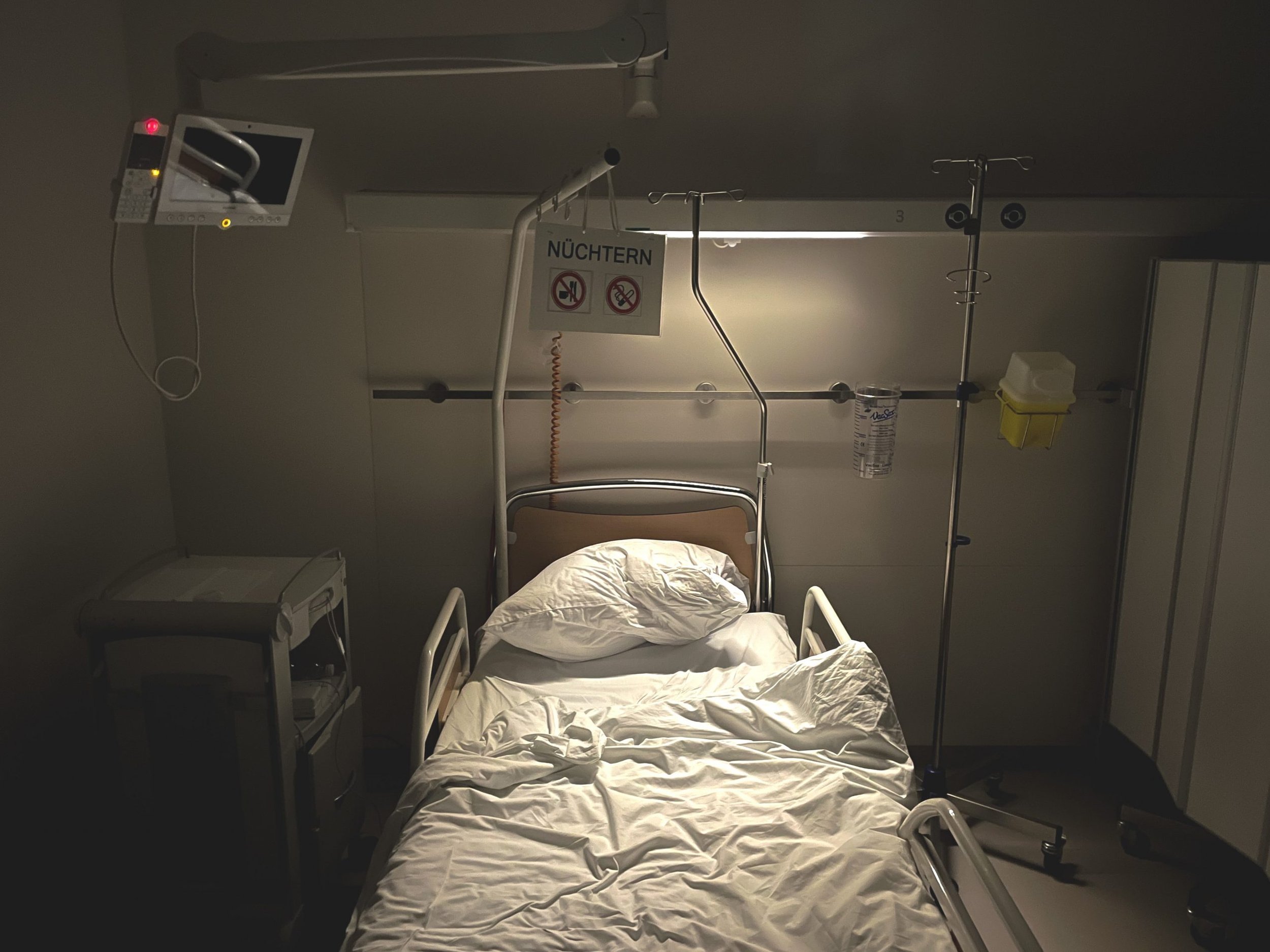
Three months post-discharge from hospital. My cancer story seemed to come to an end. I was discharged from the day hospital.
I had the internal tube removed that gave me chemotherapy during those 5 months as an inpatient.
While the significance of this was real, I truly had passed my direct cancer treatment. The cancer was gone, but my life was forever changed.
I looked back, I tried to look forward, but in truth, I was still in shock.

Who's in charge of you, You?
My third cancer blog and the last one I wrote while still an inpatient. I may have had two cycles of chemo left.
By this stage, I was drained of anger. I still had my days, but it was getting me nowhere. I was pushing myself to choose to accept the situation, but to keep the hope alive of future reunions and restarts.
This blog focused on the effect of the loss of personal autonomy and knowing I was not in control.
I questioned whether we are ever really in control of our lives.

Small Picture Big Picture
About halfway through my chemotherapy, which I was on for 5 months in total, I was really struggling with accepting what was happening.
I accepted that my survival prospects were good, but I was angry with the life I was losing. Simply put, I just felt it was unfair. Additionally, I had lost my spacious, bright room, which had an access space before entering, making it very private.
I was now in a dark, poky room which looked straight onto the main corridor.
I had a long way to go, and things seemed to be getting worse.
I took solace that the moment I was caught in was just that. A day would come when I would re-enter the fullness of life, I believed. I wanted to see the big picture.

On being Diagnosed with Cancer
This blog was written when I was in the early stages of being in hospital, being treated for cancer, the 2nd half of 2020.
In many ways, this reads as a diary entry where I outline the events of my illness, starting with pre-diagnosis and ending somewhere after my first of six rounds of chemotherapy.
I delve into the emotional and physical trauma of that time. What gave me strength and what made me weak. Relational and spiritual issues are highlighted.
This is all in the context of the initial 2020 lockdown, which meant I had to experience this painful medical world alone.

Anxiety; Where fear takes over
Anxiety is one of the most common topics raised in therapy. It is a debilitating condition that prevents a person from engaging with life.
It is closely associated with depression and often co-exists.
There is a strong medical connection with anxiety; medication is often the first stage of treatment.
Medication, however, can become a near-permanent part of persons ’s life. Many people do not want this and will prefer to resolve their anxiety through psychological work.
Such work identifies the triggers and helps to develop coping mechanisms to lessen their impact.

Violence in the Inner Man
Are men naturally violent? Is the aggressive response of men always a bad thing? There are lots of questions we have about men and violence.
One thing that most will accept is that men are generally more aggressive than women and that this aggression can be very destructive.
The source of aggressive behaviour would seem to be partly learned through social expectations and partly biological through testosterone.

Trauma in Life
Trauma is the emotional experience of hurtful events in our past. We can respond to trauma over the years by trying to ignore it or even forgetting about it. This is a common response to trauma that happened to us as children.
Burial of pain can result in the person experiencing unexplainable, negative, cognitive, emotional and behavioural experiences in later years. Trauma from earlier in life can be healed in the present day through the work of a therapeutic relationship with a counsellor.

Counselling and the issue of money
Counselling fees may seem to be an awkward necessity. Awkward because the client may be operating within a strict budget. The counsellor aspires to provide therapy to those who need it while ensuring they make a living.
This blog goes through the principles around setting counselling fees and how to manage them. The fee structure of Prevail is also introduced.
Cognitive Behavioural Therapy
CBT is a combination of two psychological theories. Cognitive and Behavioural theories. CBT proposes that emotional change happens by changing the underlying thoughts that support them.
To effectively change our thoughts, we utilise the behaviours that correlate with them.
This approach can be a trial and error, and is greatly helped by having a good understanding of your underlying beliefs that caused the thought to start with.

Waiting; An opportunity or a frustration?
Waiting can be an opportunity to satisfy the calm mind or a frustration by stopping the body from running the race.
How you view waiting depends on the patience of your personality.
If you are impatient by nature, having to wait is an invitation to learn to use the time in a way that satisfies your desire to be productive in an active way.
If you are patient by nature, waiting allows you to recharge and let your mind ponder more interesting things.
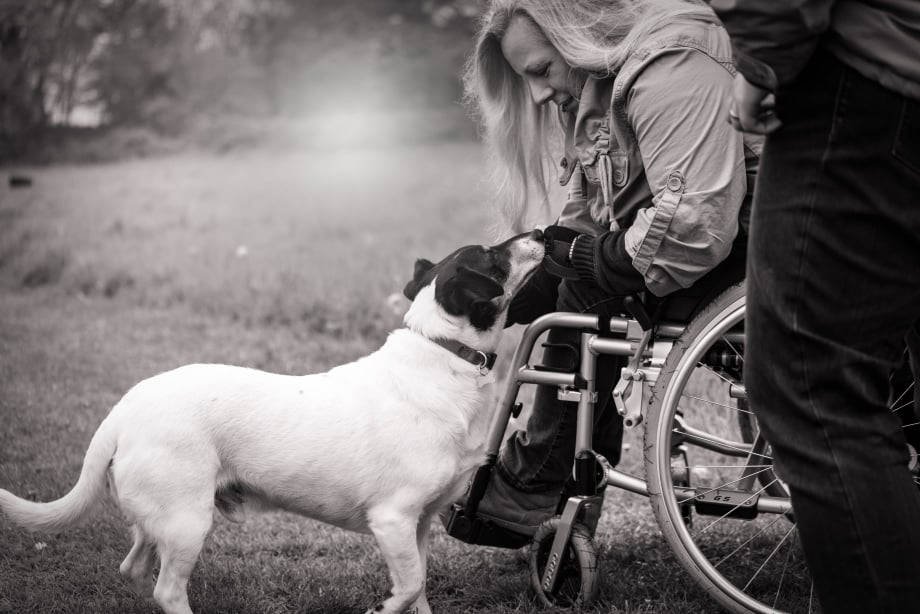
What Gets You Up in the Mornings?
What is the daily routine of life for?
Is it to make a success of ourselves professionally, to make an impact on the world?
Is the success of our life to be detemined materialisticly?
Or do we get out of our beds every morning to somehow improve the lives of those around us?
Is our value what others hold of us or what we hold of ourselves?